Four circular water hubs in Enschede
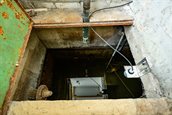
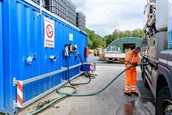
The municipality of Enschede has constructed four circular water hubs: a rainwater basement, a pond, groundwater purification and rainwater basins. A water hub is a fixed location in the city at which rainwater is stored for later use. Enschede uses this water for urban upkeep, thus saving on drinking water.
Reducing drinking water shortages
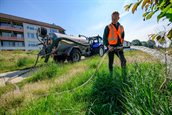
Upkeeping Enschede, such as spraying sports fields, watering trees and plants, and cleaning streets and squares, requires large volumes of water. The city's municipality used to use drinking water for such purposes. However, climate change is causing increasingly frequent prolonged periods of drought. As a result, drinking water shortages will occur more frequently. The water hubs help to prevent drinking water shortages.
Reducing CO2 emissions
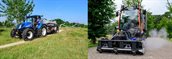
The municipality of Enschede was already using tankers for water transport. The tankers shuttle between the water tapping points on the outskirts of the city and the locations at which water is needed. This process requires fuel and produces additional CO₂ emissions. The circular water hubs are located nearer the city centre, which reduces travel distances for the tankers.
New water hubs
In addition to the rainwater basement, pond, groundwater purification and rainwater basins, the municipality is developing new water hubs, such as two groundwater and rainwater tanks. One of Enschede's sports centres will have a water tank collecting rainwater from the roof and the car park. This water tank will also collect drainage water from underneath the sports fields. Furthermore, the municipality is exploring options for prolonged rainwater storage in the rainwater sewer system. During heavy downpours, rainwater is now temporarily stored in underground containers, from which it is drained within 24 hours. Retaining some in the containers for a longer period of time will enable the municipality to use this water for the upkeep of the city.
Dashboard helps drivers select tapping point
The University of Twente has developed a dashboard for the water hubs. This dashboard helps drivers select the optimum location for tapping water. The drivers fill in the purpose for which the water is needed, for example, watering trees or cleaning streets, and the dashboard then gives a recommendation for the best water tapping point for their purpose and location. This keeps routes short and efficient.
Dashboard monitors water quality, water use and water availability
The dashboard immediately shows the volume of water available at that moment in time, the quality of the water and how much water is being used. Furthermore, the dashboard can show water use, water quality and water availability over a longer period of time. This enables the municipality to easily monitor the effect of the water hubs and illustrates where adjustments are needed.
Importance of measuring water quality
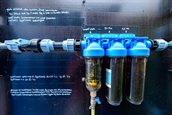
It is important to measure the quality of the water, as this determines the purpose for which it can be used. For example, water for road sweepers must be cleaner than water for trees, as dirt particles can damage road sweepers. Also, the water must be safe for sanitation workers who will inhale water vapour. By monitoring the water quality, the municipality can prevent polluted water from spreading in the city.
What lessons can be learned?
Are you interested in constructing water hubs in your municipality, like the ones in Enschede? Below are some tips and helpful lessons to be learned!
Join forces with partners
Find partners that use large volumes of water. Together, explore alternative water sources to be used, rather than drinking water. Agree on one specific goal and set down clear agreements on the approach. Establish a steering group for decisions and a project group for implementation.
Gain insight into the volume of water being used and the storage capacity
Map out how much water the city is using and where this water originates from. For example, use GIS maps showing water structures, large rooftops and locations which require water or could be used for water storage. Also explore existing sources, such as groundwater, drainage water or old water basements, and find out how this water is currently being used.
Conduct an analysis
Determine where, when and how much water is needed. Also determine the purpose for which the water is needed and what water quality will be appropriate. Determine the water quality for each source. Calculate the volume of water – in m3 – available from each source and how fast a source will replenish.
Start with a feasible water hub
Choose water hubs that supply sufficient water, are easily accessible and situated close to where the water will be used. Start with hubs that can be operationalised quickly and at little cost, up to a maximum of 15,000 euros. Such hubs will produce the fastest effects, which will help to initiate a dialogue on new water hubs. Once a number of water hubs are in use, you can explore where additional investments are required to reduce the area’s dependency on drinking water.
Work with a dashboard
Measure the available volume of water and how the municipality is using this water. Use a dashboard to gain insight and substantiate choices. Invest in monitoring to give stakeholders insight into the effectiveness, to allow them to make choices and to adjust course where needed. Ensure sufficient IT know-how when developing such monitoring. Be attentive to the ownership of the dashboard, and also ensure that it is user-friendly, well managed and capable of being used by the various partners. This will ensure that the dashboard will remain of use in the long run.
Contact
Corinne Daemen
Municipality of Enschede
c.daemen@enschede.nl
More information
Read more?
Maybe you'll find the following pages interesting as well: